Address
304 North Cardinal St.
Dorchester Center, MA 02124
Work Hours
Monday to Friday: 7AM - 7PM
Weekend: 10AM - 5PM


The 2026 Danube Cup once again showcased creativity, ambition, and entrepreneurial talent emerging from universities across the Danube region. In this special 10th anniversary edition, the winning teams stood out with innovative solutions, strong market potential, and impressive determination.
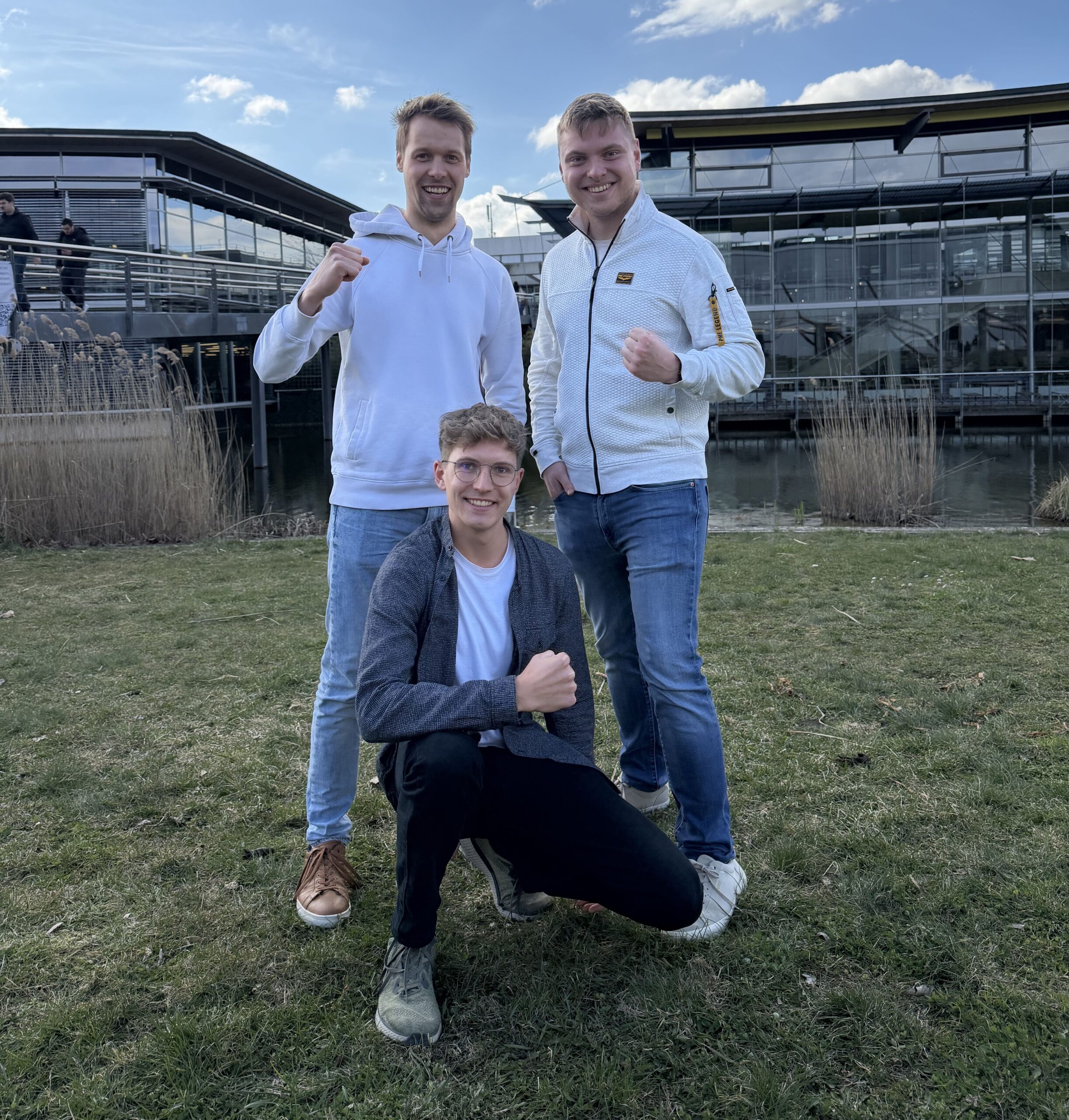
Following the competition, the DC Office reached out to the three winning teams to learn more about their journeys, the lessons they gained throughout the Danube Cup experience, and what comes next as they continue to develop their ventures beyond the competition stage. Below you can read the impressions of the runner-up team: Prinity.
PRINITY is developing an automated print bed / hardware module for FDM 3D printers that enables continuous, unattended 3D printing. The solution automatically removes completed printed parts, then prepares and cleans the print surface for the next job. By doing so, it eliminates the manual step that currently interrupts serial production in many 3D printing processes.
The core idea behind the development is that existing 3D printers do not need to be completely replaced: Prinity can be integrated as a cost-effective add-on to machines that are already in use. As a result, traditional FDM printers that normally require manual intervention can become more efficiently utilized, more scalable, and suitable even for small-batch production.
1. How did you like this year’s DC International Pitch Competition?
The DC International Pitch competition was an amazing experience. We were very excited and nervous before stepping onto the stage, but presenting our startup in front of such a strong international audience was incredibly rewarding. Winning 2nd place made the experience even more special.
2. What advice would you give to university teams hoping to qualify for next year’s Danube Cup finals?
Focus on communicating your business idea clearly and completely rather than only creating an entertaining pitch show. A great presentation helps, but the jury must fully understand the problem, solution, market, and business potential. Keep it simple and make sure your message is easy to follow.
3. What qualities distinguish student start-uppers who successfully transition from university projects to sustainable businesses?
In our opinion, the most successful founders are the ones who show a lot of initiative and are willing to put in the extra work. They actively talk to people, learn from feedback, and keep going even when things get difficult. We believe that persistence, flexibility, and a strong motivation to make an impact are key factors for building a sustainable business.
Thank you Tim Dwertmann and team Prinity (Sammy Schindler and Michael Luginger) for sharing your story and experiences with us.
Stay tuned for further interviews to come.