Address
304 North Cardinal St.
Dorchester Center, MA 02124
Work Hours
Monday to Friday: 7AM - 7PM
Weekend: 10AM - 5PM


The 2026 Danube Cup once again showcased creativity, ambition, and entrepreneurial talent emerging from universities across the Danube region. In this special 10th anniversary edition, the winning teams stood out with innovative solutions, strong market potential, and impressive determination.
Following the competition, the DC Office reached out to the three winning teams to learn more about their journeys, the lessons they gained throughout the Danube Cup experience, and what comes next as they continue to develop their ventures beyond the competition stage. Below you can read the impressions of the winners, Terraformer.
TERRAFORMER impressed the jury with its innovative approach to industrial sustainability.
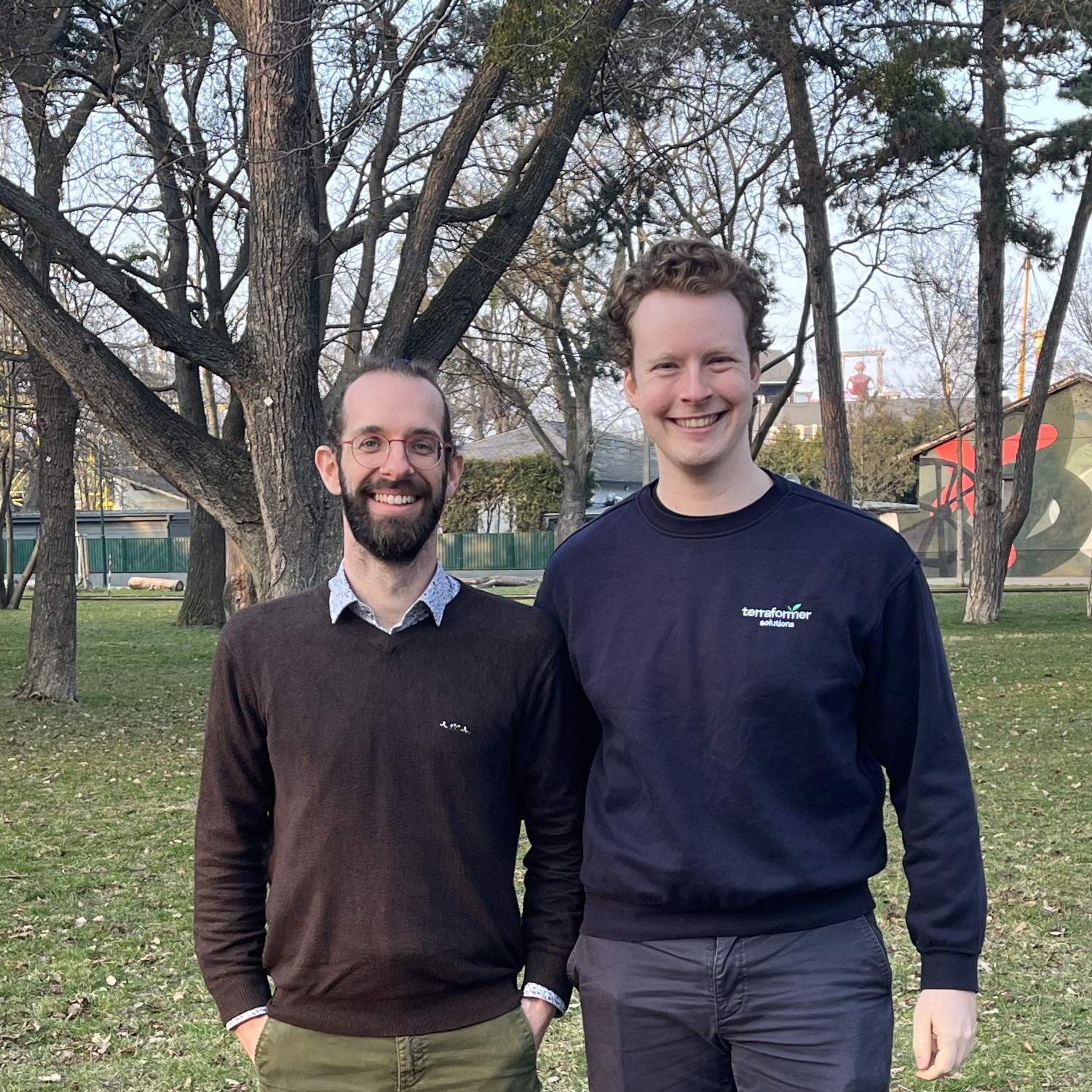
The team develops solutions that transform industrial waste heat into valuable on-site process gases such as nitrogen and CO₂, helping companies improve efficiency while reducing environmental impact. Representing WU Vienna, Harald Bartsch, Germain Haessig and Florian Schirg combined deep technical expertise with a strong business case.
We really enjoyed this year’s Danube Cup International Pitch Competition. The atmosphere was energetic, international and very supportive. For us, it was especially valuable to pitch in front of a diverse jury and exchange ideas with teams from different universities and countries. Winning the first prize was of course a great honor, but the strongest experience was seeing how much entrepreneurial talent is growing across the Danube region.
Our advice would be: start with a real problem, not just a nice idea. Talk to potential customers early, understand their pain points and build your pitch around why your solution matters. A strong pitch is not about showing everything you know, but about making the jury understand the problem, the solution and the potential impact within a few minutes. Also, use the university environment as much as possible: mentors, professors, other students and competitions can open many doors.
In our opinion, the key qualities are persistence, openness to feedback and the ability to move from theory into execution. Many ideas look good on paper, but building a sustainable business means talking to customers, testing assumptions, adapting quickly and staying motivated when things take longer than expected. Successful founders are usually the ones who combine ambition with discipline: they dream big, but they also do the practical work every day.
Terraformer’s success reflects the growing momentum of climate-tech and industrial innovation within the Danube region’s startup ecosystem.
Thank you Harald Bartsch for the interview, and wishing you lots of success in the future!
Stay tuned for further interviews to come.